Wine Of The Week

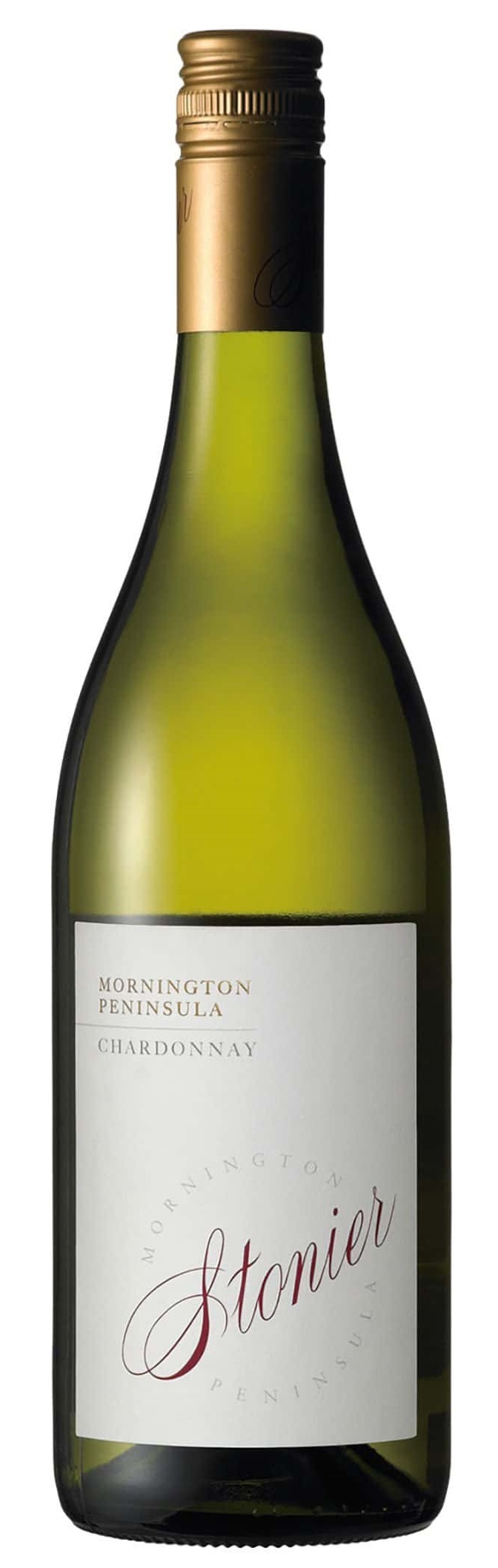
Wine of the Week: Stonier Mornington Peninsula Chardonnay 2016

Kicking off my new Wine of the Week series, here’s a classy modern Aussie Chardonnay that doesn’t break the bank.

Stonier Mornington Peninsula Chardonnay 2016

Stonier Mornington Peninsula Chardonnay

The 2020 vintage of this wine was released recently, so I plucked this 2016 bottling out of my wine fridge to see how it was getting on. In fact I reviewed the 2016  Stonier Chardonnay almost three years ago.

As the climate continues to warm, the southern-most wine regions of Australia have moved into focus. The key places for Aussie Chardonnay are now South Australia’s Adelaide Hills, parts of Tasmania, Victoria’s Yarra Valley and Mornington Pensinsula. Coastal exposure is the key to their microclimates, along with any altitude that’s available.

As might be inferred from its name, the Mornington Peninsula is surrounded by water on three sides. Grapes for this wine are sourced from a variety of vineyards across the area. Those from the coolest sites are allowed to go through malolactic fermentation (MLF) to round out the acidity and the remainder have MLF blocked to provide freshness to the blend. Oak is used for maturing a good portion of the wine, but only a small fraction is new – it’s all about texture and body.

At close to six years of age this wine retains the struck-match reductive character on the nose that it had on release. It also has plenty of fruit on offer, largely pineapple with hints of grapefuit and lemon. The finish is long and fresh, with a keen mineral streak thoughout.

Although this wine has been on offer at O’Briens (it is exclusive to them in Ireland) it is well worth the normal full sticker price

  • ABV: 13.5%
  • RRP: €27.95
  • Source: purchased
  • Stockists: O’Briens stores and obrienswine.ie
Information

5 of the Best Aldi Wines for Xmas

The Irish branch of Aldi have an extensive range of special wines released for the festive period. Here we have five which have impressed me: two French fizzes (one a Blanc de Blancs and one a blanc de Noirs), a pair of Loire Sauvignon Blancs and a Tawny Port to finish off the evening. All wines tasted were samples.

Specially Selected Crémant du Jura Brut 2018

Specially Selected Crémant du Jura Brut NV

It’s back! For how long is not known, so grab it while it’s here. Aldi’s remarkable Jura Blanc de Blancs is not always available but it’s one of the best value sparklers on the market. It’s made from 100% Chardonnay in the Jura region on France’s eastern border. Jura is actually one of the few French regions outside Burgundy that does still and sparkling Chardonnay really well – though it is home to other grapes and styles.

The nose is a full on citrus experience, with touches of golden delicious apple and melon to round it off. The palate is bright and creamy with depth and no little complexity. The finish is fine, long and crisp. This could serve equally well as an aperitif with nibbles, with seafood or even on its own. In other times this has been our house fizz at this time of year – there has always been a bottle or two in the fridge to share with any visitors. Given the times we are in, I suppose I’ll have to drink it myself!

  • ABV: 12.0%
  • RRP: €13.99
  • Stockists: Aldi Ireland stores and aldi.ie

Champagne Philizot Blanc de Noirs Brut NV

Champagne Philizot Et Fils Blanc de Noir Brut NV

So here we have a true Champagne made as a white sparkler (Blanc) from only black grapes (de Noirs). In fact both Pinot Noir and Pinot Meunier – the two main black grapes of Champagne – are used in equal proportions. Producer Philizot et Fils also make Aldi’s staple Veuve Monsigny which has scored very well in recent high profile blind tastings. To be honest I’ve liked Veuve Monsigny when I’ve tried it but wasn’t blown away – which is fair enough for €20 in Ireland. Is this more premium offering any better?

Yes, yes it is.

The nose is wonderful, with yeasty, toasty brioche drawing you in and delicious red fruit notes partiying up your nose. It’s quite a decadent nose, actually, which is a good thing in a quality fizz. In the mouth it’s immediatel creamy and rich, yet balanced by crunchy green and softer red apple acidity. The finish is like tangy, fresh red fruits wrapped in a custard pastry – just delicious!

  • ABV: 12.0%
  • RRP: €13.99
  • Stockists: Aldi Ireland stores

Specially Selected Pouilly Fumé 2019

Specially Selected Pouilly Fumé

The first of our Loire Sauvignons is from the second most famous SB appellations in France: Pouilly-Fumé is on the eastern bank of the Loire (where it runs almost due north) opposite Sancerre on the western bank. It pours as a very pale lemon, but the nose is more expressive; initially it’s more reminiscent of a sweet shop than a winebar, with fruit polos and pear drops. These then give way to aromasof gooseberry and hay, with hints of green pepper. In the mouth this Pouilly-Fumé manages to be quite round yet tangy at the same time; it’s clean and fresh but has some body and plenty of green fruit flavours. This is very good for the price; it’s perhaps a little short but everything else is in order.

  • ABV: 12.0%
  • RRP: €13.99
  • Stockists: Aldi Ireland stores and aldi.ie

Winemaker’s Lot Chasseaux & Fils Sancerre 2019

Winemaker's Lot Sancerre

To the other side of the river now and the most famous Sauvignon Blanc appellation of all. This wine is from Aldi’s new “Winemaker’s Lot” series which consists of just ten premium wines from key regions. Now €14.99 is not a premium price for an independent, but for a low cost supermarket like Aldi this is probably close to twice its average bottle price.

And on opening it proves to be a different beast entirely to the Pouilly-Fumé above. It looks similarly pale in the glass but on the nose it shows  ripe and succulent green and tropical fruits – grapefuit and pineapple, guava and hints of mango. On the palate it’s quite tight and mineral initially, but opens up to reveal both fruit and a certain wild yeastiness. This is top flight stuff! A small word of caution: to a palate with broad experience such as mine this is a very good wine, but there plenty of people who would prefer the cleaner Pouilly-Fumé.

  • ABV: 13.0%
  • RRP: €14.99
  • Stockists: Aldi Ireland stores

Fletcher’s 10 Year Old Tawny Port

Fletcher's 10 Year Old Tawny Port

Laate Bottled Vintage (LBV) was always my go-to style of Port, but in recent years I’ve been beguiled by the charms of good Tawny Port. Tawny Ports are made from black grapes and then aged in wooden barrels for a number of years before bottling. That might be three years for a basic Tawny, seven years for a Reserve or longer with an age statement such as this 10 Year Old. Maturation in barrel leads to both evaporation – intensifying flavours – and oxidisation – giving a different aspect to the wine entirely. I haven’t heard of Fletcher’s outside of Aldi so they might be a private label.

So, onto the wine itself. Whereas a Ruby or Vintage Port might be opaque, this is lighter, and dark amber or light mahogany would be a good descriptor. The nose is heady – it does weigh in at 20% abv after all – and shows a full range of dried fruits and nuts. In other words, it smells like Christmas pudding with a splash of good brandy on it! These aromas flow through onto the palate, which is medium sweetness. It could pair well with those lovely Christmas desserts, with strong hard cheeses or even with some savoury courses that have some sweet elements to them.

And best of all, being a Tawny Port means that once opened it will keep well in the fridge for several months – if you can keep your hands off it!

  • ABV: 20.0%
  • RRP: €13.99
  • Stockists: Aldi Ireland stores


Make Mine A Double

Wine Review: Aldi Specially Selected Limoux Chardonnay and Bekaa Valley Red

I might well be late to this party, but if there are either of these wines still available from Aldi’s Specially Selected range then you should definitely pop them in your trolley.

Aldi Specially Selected Limoux Chardonnay 2020

Specially Selected Limoux Chardonnay

Limoux is in the Languedoc and is most widely known for its sparkling wine production: Blanquette de Limoux, Blanquette méthode ancestrale and Crémant de Limoux. Blanquette is the local name for the Mauzac grape which stars in the first two sparklers and can feature in the Crémant. It also plays a part in the still white wine known simply as Limoux, though Chardonnay and / or Chenin Blanc are also used.

This wine is 100% Chardonnay and is made by Jean-Claude Mas. It pours as a light gold which hints at the taste profile to come. The nose is a combination of bright pineapple and cream. The palate is intensely creamy with succulent yet restrained tropical (pineapple, mango) and stone fruit (peach, apricot). This is an enticing but not overly indulgent wine with a crisp, very long finish.

I loved this wine and it shows how good French Chardonnay can be outside Burgundy.

  • ABV: 13.5%
  • RRP: €9.99
  • Source: sample*
  • Stockists: Aldi stores and aldi.ie

Aldi Specially Selected Bekaa Valley Lebanese Red 2019

Specially Selected Bekaa Valley Lebanese Red

This bottle stood out to me as being very unusual for a discount supermarket as it’s from Lebanon. Yes, Lebanon has a long and noble history of winemaking, but it rarely impinges on the consciousness of the supermarket shopper. Wine connoisseurs know of the great Chateau** Musar and perhaps a few others like Château Ksara and Château Kefraya, but even for them that’s about as far as it goes. So, how is this inexpensive Lebanese red?

In the glass it pours a medium to dark red, not quite opaque. The nose shows ripe brambles and cocoa powder, very appealing at this time of year. The palate is initially somewhat earthy, with a slab of dark chocolate thrown in for good measure. Then red and black fruit follow through: cherries, plums and blackberries in particular. It also has a real garrigue aspect to it with rosemary and thyme notes. The finish is dry with fine, dusty tannins. With a little time in the glass the earthy notes die down a little and the fruit shines even more.

With rich fruit and herbs this Bekaa Valley red cries out for food – I’m thinking roast lamb, or lamb chops,, or lamb stew….you get the idea.

  • ABV: 14.5%
  • RRP: €10.99
  • Source: sample
  • Stockists: Aldi stores and aldi.ie

* I liked this wine enough to buy the remaining stock at my local Aldi.

** Yes I’m really particular about spelling French Châteaux names properly, but if a producer from another country wants to drop the circumflex then I’m going with their spelling.


**Click here to see more posts in the Make Mine a Double Series**


Make Mine A Double

Wine Review: Bread and Butter Chardonnay and Cabernet Sauvignon

Members of the ABC club can look away now; if either Anything But Chardonnay or Anything But Cabernet are a motto of yours then this is not the article for you. However, for the rest of us – great, right-minded people – read on!

Bread & Butter Wines

Based in the Napa Valley, Bread & Butter’s philosophy is encapsulated by their winemaker Linda Trotta’s motto “A good wine is a wine you like“. Thus, pleasure is the aim for the majority of their wines rather than following a particular trend, matching with special food or expressing the nuances of a certain terroir. “These wines pair well with a glass” is another gem they espouse. I think you’re beginning to get the picture.

Get The One That Looks Like This
A Bread & Butter slogan.

The Bread & Butter portfolio is in three distinct ranges:

  • Classically-styled Everyday Wines: Italian Prosecco (!), California Rosé, California Sauvignon Blanc, California Chardonnay, California Pinot Noir, California Cabernet Sauvignon, California Merlot
  • “To-go” Wines: Napa Valley Cabernet Sauvignon, Napa Valley Merlot, Napa Valley Red Blend, Napa Valley Petite Sirah, Napa Valley Zinfandel, Napa Valley Pinot Noir, Napa Valley Sauvignon Blanc, Napa Valley Chardonnay, Napa Valley Rosé
  • “Go-to” Wines: Atlas Peak Cabernet Sauvignon, Howell Mountain Cabernet Sauvignon, Rutherford Cabernet Sauvignon

The wines in blue and bold are available in Ireland. Quality and price increases as you move down the list. So how do the wines actually taste? Here are two from the Classically-styled Everyday Wines range:

Bread & Butter California Chardonnay 2019

Bread And Butter California Chardonnay

As its counterpart below, this is a California wine rather than any smaller AVA, so the grapes were probably sourced from several regions and blended together.

It pours a light gold in the glass, giving an indication that this is going to be a dessert wine (highly unlikely), an aged wine (nope, it’s a 2019) or an oaked wine (bingo!) And so the nose reveals: layers of vanilla and buttery toast with hints of lemon and orange. The palate is exactly how you would expect a California Chardonnay to be: lemon curd, pineapple cubes and lots of creamy texture, though not the full on butter churn experience.

While it’s far from subtle, I really like this wine. At this price point many Chardonnays are unoaked for both cost and stylistic reasons, and those that have seen some oak can be disjointed or seem confected. And I’m not alone – I have heard several wine drinkers make a beeline for this wine and declare it their new favourite.

  • ABV: 13.5%
  • RRP: €20 – €25
  • Source: purchased from Baggot Street Wines
  • Stockists: Fresh Smithfield and Grand Canal; Whelehans Loughlinstown, Deveney’s of Dundrum; Wine Centre Kilkenny; Morton’s of Ranelagh; Redmonds of Ranelagh; O’Donovans Cork; Robbie’s Drummartin; LaHoya Greens Terenure; Barnhill Stores; Baggot Street Wines; Martin’s of Fairview; Morton’s of Galway; Thomas’s of Foxrock; Parting Glass Enniskerry; McGuinness Dundalk; Next Door Ennis

Bread & Butter California Cabernet Sauvignon 2020

Bread And Butter California Cabernet Sauvignon

The Cabernet Sauvignon actually poured a little lighter than I expected, though we’re still not talking Poulsard here. The nose is heady, with ripe cassis and blackcurrant*, blueberry, vanilla and toast oak notes. The palate is rich and velvety, with blackcurrant and cocoa to the fore. Tannins are very restrained indeed – this is no Pauillac facsimile. The finish has some residual sugar – I couldn’t find a tech sheet but I noted that Decanter included it within the Medium – Dry, 5 – 18 g/L category. The sugar comes through as richness more than sweetness, especially to the untrained palate. This is the type of red than many drinkers go mad for at the moment; it’s not a wine I would choose for myself unless I was eating barbecue with a sweet marinade, and then it would be quaffed with extreme prejudice.

  • ABV: 13.5%
  • RRP: €20 – €25
  • Source: purchased from Baggot Street Wines
  • Stockists: Fresh Smithfield and Grand Canal; Whelehans Loughlinstown, Deveney’s of Dundrum; Wine Centre Kilkenny; Morton’s of Ranelagh; Redmonds of Ranelagh; O’Donovans Cork; Robbies Drumartin; LaHoya Greens Terenure; Barnhill Stores; Baggot Street Wines; Martin’s of Fairview; Morton’s of Galway; Thomas’s of Foxrock; Parting Glass Enniskerry; MacGuiness’s Dundalk; Next Door Ennis

Conclusion

These are both unabashed commercial wines which give (a good proportion of) wine drinkers exactly what they are looking for. I can imagine than some won’t like either wine, but that’s not important – they really deliver drinking pleasure to those that do. I’d be happy to share a bottle of the Cab Sauv with my wife but it’s the Chardonnay I’d order for myself.

* Yes, I know they are the same thing – for most of us at least. Just checking that you’re paying attention.


**Click here to see more posts in the Make Mine a Double Series**

Uncategorized

Wine Review: Louis Latour whites in the SuperValu French Wine Sale

I’ve already offered my thoughts on the De Mour Bordeaux wines in the SuperValu 2021 French Wine Sale, so now it’s the turn of the whites from Louis Latour. These are all guest wines courtesy of Irish importer / distributor Febvre, and so are not normally available in SuperValu.

My article in April on Latour’s Grand Cru Corton Charlemagne gave a brief overview of the Louis Latour stable; this article includes wines from three of the six divisions.

Simonnet-Febvre Crémant de Bourgogne Brut NV

Simonnet-Febvre Crémant de Bourgogne Brut NV

Simonnet-Febvre is a venerable and venerated Chablis house founded in 1840 and purchased by Latour in 2003. It is the only Chablis estate to produce sparkling wine, and reportedly Louis Latour himself celebrated the acquisition of a vineyard in 1891 by cracking open three bottles of Simonnet-Febvre. Better than buying from the Champenois?

The assemblage is 60% Chardonnay and 40% Pinot Noir, and the dominance of the former is notable on both the nose and the palate; the nose shows piercing lemon and lime and fresh citrus is evident in the mouth. There is a creamy aspect to this fizz, most likely from some time ageing on fine lees. A fairly low dosage of 7 g/L keeps freshness to the fore.

Warning: if you try this as an alternative to an “extra dry” Prosecco you might well find this Crémant too sharp (it has more acidity and around half the sugar of such Proseccos. However, if you prefer fresher, drier wines then this might well be your cup of tea. It would be great as an aperitif or with freshly shucked oysters – and it’s an absolute steal at €18.

  • ABV: 13.0%
  • RRP: €18.00 down from €29.99 from Thurs 2nd Sept to Wed 22nd Sept 2021
  • Source: sample
  • Stockists: SuperValu stores

Louis Latour Grand Ardèche Chardonnay 2019

Louis Latour Grand Ardèche Chardonnay

This wine is from Latour’s outpost in the…erm…Ardèche. It was established in 1979 with a simple Chardonnay, using Burgundian expertise to craft balanced wines in a different environment. The unoaked “Ardèche” wine was followed up by the first vintage of the Grand Ardèche in 1985. Fermentation and ten months’ maturation take place in oak barrels, 80% used and 20% new.

Oak really comes through on the nose, with lovely vanilla, toast and almonds. The nuts continue onto the palate which has texture, depth and great length, yet is perfectly balanced and poised.

This wine is made outside Burgundy but epitomises what great white Burgundy can be – all at a seriously bargain price.

  • ABV: 13.0%
  • RRP: €18.00 down from €22.99 from Thurs 2nd Sept to Wed 22nd Sept 2021
  • Source: sample
  • Stockists: SuperValu stores and SuperValu.ie

Louis Latour Chablis 2018

Louis Latour Chablis

Chablis has become something of a commodity for many people – it’s a brand in itself and often receives more recognition than producers’ name. Nearly all Chablis share certain characteristics: they are usually fresh and / or lean, with apple and citrus aspects. Some just stop right there, and there’s nothing wrong with those, especially if the price is right and the drinker just wants a simple, unoaked Chardonnay.

But some can offer more, much more – Julien Brocard’s La Boissonneuse is a great example of how good even AOC Chablis can be. I would put this wine in the same category; still unoaked and fresh but not lean, and most of all a fabulous intensity…the kind of intensity that makes you stare into the wine glass in wonder, before swiftly having another taste.

  • ABV: 13.0%
  • RRP: €20.00 down from €29.99 from Thurs 2nd Sept to Wed 22nd Sept 2021
  • Source: sample
  • Stockists: SuperValu stores

Louis Latour Meursault 2018

Louis Latour Meursault

Meursault is the largest prestige AOC for white wine in the Côte d’Or and has been one of my favourites for over two decades. The wines are usually somewhat oaked and generous, though rarely dripping with butter as the archetypal Aussie Chard used to be, and develop earlier than the neighbouring (and even more prestigious appellations of Puligny- and Chassagne-Montrachet.

Latour’s Meursault is made with grapes grown on limestone soils then barrel fermented and matured for around ten months. If this sounds familiar then it’s the template that Latour used for the Grand Ardèche above. It’s a delicious yet subtle example, elegant and balanced yet with a profound depth of flavour. It’s not going to convert many of the ABC club but it’s a magnificent wine that Chardonnay and Burgundy lovers should seek out.

  • ABV: 13.0%
  • RRP: €45.00 down from €65.00 from Thurs 2nd Sept to Wed 22nd Sept 2021
  • Source: sample
  • Stockists: SuperValu stores and SuperValu.ie

Conclusion

It really comes down to price; if someone else is paying then my hand would go straight up for the Meursault as it’s the best wine of the four, though even with the significant sale reduction it is far from cheap. If I’m spending my own meagre pennies then it’s really a toss up between the Chablis and the Grand Ardèche – both are excellent wines and great value for money at the offer prices.
Make Mine A Double

Wine Review: Nivei Rioja Blanco and Encoastas de Caiz Vinho Verde from Lidl

Limited edition wines from Spain and Portugal at Lidl Ireland

Once again a new batch of limited release wines are going to be released into Lidl Ireland stores.  The majority are red, plus one sweet white and two dry whites reviewed here.  The others are listed at the bottom of this article.

Nivei Rioja Blanco 2018

Nivei Rioja Blanco 2018

White Rioja is traditionally mainly Viura, the same grape known as Macabeo in Catalonia, but since 2007 it can be made with up to nine different varieties:

  • Traditional varieties: Viura, Malvasia and Garnacha Blanca
  • Newly allowed local varieties: Maturana Blanca, Tempranillo Blanco and Turruntés
  • New non-local varieties: Chardonnay, Sauvignon Blanc and Verdejo

In finest Countdown Numbers Game fashion, this wine is made with one from the top row, two from the middle row and three from the bottom row (all in blue), though percentages were not available.

I have to be honest and admit that I committed a schoolboy error tasting this wine; on a warm, muggy day I poured myself a big glass from the fridge and sipped away.  Of course it was nicely chilled, but far too chilled for tasting – it showed very little on the nose or the palate, but it was pleasant enough so I just mentalled tagged it as an inexpensive, inoffensive white wine.  However, as I’d left the bottle out of the fridge, when I poured another glass the wine had opened up considerably!  Aromas of citrus and stone fruit held my attention, then those notes followed through as flavours on the palate, lovely and tangy.  For €9 it’s well worth a try.

  • ABV: 13.0%
  • RRP: €8.99
  • Source: sample
  • Stockists: Lidl Ireland

Encostas de Caiz Vinho Verde 2019

Encostas de Caiz Vinho Verde 2019

Vinho Verde is the northern Portuguese wine region famous for its young (literally “green”) fresh whites.  Around one in seven bottles is actually red, though they are seldom seen in Ireland or the UK.  Vinho Verde has nine sub-regions, though it is rare to see their names on bottles apart from the most prestigious Monção e Melgaço.

The white grapes used in the region are classed as either “recommended” or “permitted” varieties:

  • Recommended white grapes: Alvarinho, Arinto, Avesso, Azal, Batoca, Loureiro, and Trajadura
  • Permitted white grapes: Branco-Escola, Cainho de Moreira, Cascal, Douradinha, Esganinho, Esganoso de Castelo de Paiva, Esganoso de Lima, Fernão Pires, Lameiro, Rabigato, S. Mamede and Semilão

This wine helpfully gives the single variety on the front label – Avesso – and states the sub-region on the back label – Amarante.  Avesso is known for its ability to produce higher than average alcohol for Vinho Verde, substantial body yet with good acidity.  This example is true to form, being clean and fresh yet with plenty of oomph behind its stone and citrus fruits.  There’s also a nice mineral streak which makes this much more complex than many of the wines available at Lidl.  This is a must try summer white.

  • ABV: 13.0%
  • RRP: €12.99
  • Source: sample
  • Stockists: Lidl Ireland

Other wines included in the event

Spain

  • Vespral Reserva Terra Alta 2016 €7.99
  • Fincas del Lebrel Rioja Reserva 2015 €12.99

Portugal

  • Cardal Tejo 2019 €7.99
  • Pinha do Ribeiro Santa Dão 2019 €9.99

France

  • Saumur Champigny 2019 €9.99
  • Château Calvimont Graves 2018 €11.99
  • Domaine Tournants Lirac 2019 €11.99

Other countries

  • How To Avoid Everything Western Cape Merlot €9.99 (South Africa)
  • Chloe California Pinot Noir 2019 €11.99 (USA)
  • Luna de Finca la Anita Grand Reserve Malbec €8.99 (Argentina)
  • Szamorodni Édes Tokaji 2018 €9.99 (Hungary) (Sweet white)

**Click here to see more posts in the Make Mine a Double Series**

Single Bottle Review

Wine Review: Louis Latour Grand Cru Corton Charlemagne 2017

Way back before the pandemic I attended a tasting of wines from the Louis Latour stable .  There were lots of excellent wines, but one in particular stood out for me, the Grand Cru Corton-Charlemagne.  Before we get into the wine itself, we take a brief look at the different labels of Louis Latour and take a fly-by of the Hill of Corton.

Louis Latour

There are six parts to the Latour stable:

  1. Louis Latour – Burgundy: the original home of the Domaine, more details below
  2. Louis Latour – Les Pierres Dorées: southern Beaujolais where the clay and limestone soils are suitable for Pinot Noir
  3. Louis Latour – Ardèche: south-eastern department, just west of the break between the northern and southern Rhône wine regions, mainly planted to Chardonnay and some Viognier
  4. Louis Latour – Var: a department on the south coast; vines were planted for the first time an hour or so north of Toulon.  Clay and limestone soils are again most suitable for Pinot Noir
  5. Simonnet-Febvre – Chablis: an outstanding Chablis house founded in 1840, bought by Louis Latour in 2003
  6. Henry Fessy – Beaujolais: a well-established Brouilly-based producer founded in 1888, bought by Louis Latour in 2008

In the UK the group also has a company called Louis Latour Agencies which was founded in 1990 to represent the group in the UK market and since then has built up a small portfolio of other producers.

Focus on Domaine Louis Latour

Louis Latour proudly state their founding year as 1797, although vineyards were first bought by Denis Latour in 1731.  The family moved to their current base of Aloxe-Corton under Jean Latour in 1768, with vineyards slowly being acquired as they became available.  One important decision in Corton-Charlemagne was the decision to replant Chardonnay (grafted onto resistant rootstocks) after phylloxera had killed the Aligoté and Pinot Noir vines in their plots.  More recent developments have focused on sustainable viticulture and environmental certification.

Domaine Louis Latour now produces 21 Grand Cru wines across Burgundy, with 11 in the Côte de Beaune and 10 in the Côte de Nuits.  Its Premier Crus are more Beaune-biased with 41, plus 11 in the Côte de Nuits and 2 in the Côte Chalonnaise.

The Hill of Corton and its Appellations

The Hill of Corton is located in the north of the Côte de Beaune.  The top is densely wooded and bereft of vines.  Below that the topsoil has eroded leaving mainly limestone and marl which is most suitable for white varieties.  The lower slopes of the hill have more clay, iron and other materials making them more suitable for black varieties.

There are three overlapping Grand Cru appellations on the hill.  In practice, if there is a choice for a given site, vignerons will choose Corton for red wines and Corton-Charlemagne for whites.

Corton

The largest Grand Cru in the Côte de Beaune covering 100.6 hectares, of which 98 are Pinot Noir and 2.6 Chardonnay.  Unusually for a Côte d’Or Grand Cru – though not dissimilar from Chablis Grand Cru which is around the same size – the name of individual climats is often stated on the front label.  The three communes which the AOC covers are:

  • Aloxe-Corton (16 climats)
  • Ladoix-Serrigny (9 climats)
  • Pernand-Vergelesses (7 climats)

Corton is the only Grand Cru for red wine in the Côte de Beaune.

Corton-Charlemagne

The Corton-Charlemagne AOC is just for white wines and covers 57.7 hectares.  As Corton above it extends into the same three communes, but does not usually name the individual climat on the front label.  Whereas Corton covers the lower slopes of the hill, Corton-Charlemagne’s Chardonnay prefers the limestone further up.

Charlemagne

This is a rarely seen AOC covering just 0.28 hectares; in practice the grapes harvested from this climat are blended in with others from Corton-Charlemagne.

Louis Latour Grand Cru Corton-Charlemagne 2017

Louis Latour Corton Charlemagne 2017

Louis Latour owns 10.5 hectares in Corton-Charlemagne and so is now the biggest landowner of the AOC.  Latour’s plots have a south easterly aspect and the vines average 30 years old.  All grapes are hand picked as late as possible – for optimum ripeness – at an average yield of 40 hl/ha.

Fermentation takes place in oak barrels made in Latour’s own cooperage.  They are made from French oak – bien sûr – 100% new and with a medium toast.  The wines go though full malolactic fermentation in those barrels then age for eight to ten months before bottling.

On pouring the 2017 is a pale straw colour in the glass.  The nose has lifted aromas of nuts, smoke and vanilla.  These notes continue through to the monumental palate which also has ripe stone and citrus fruits.  There’s an impressive mineral streak which keeps the wine from feeling overblown or flabby.

This is one of the most expensive still white wines I’ve ever reviewed, so it’s difficult to assess it on a value for money basis, but it really is excellent and if you like Chardonnay it’s a wine you ought to try at least once in your life.

  • ABV: 14.0%
  • RRP: €170
  • Stockists: no retail stockists at present, but a good independent wine shop should be able to order it for you
  • Source: tasted at a trade event
Opinion, Single Bottle Review

Wine Review: Wente Morning Fog Chardonnay

Before the arrival of this wine into Dublin I have to confess that I was only distantly aware of Wente Vineyards and their home of Livermore Valley in California’s Central Coast.  The two are inextricably linked, but first here’s a map for us to get our bearings:

Livermore Valley in California


As you can see, Livermore Valley is at the top of the Central Coast region, across the Bay from San Francisco.  Cooling sea breezes and fogs from San Francisco Bay give the valley more significant diurnal temperature variation, helpful for producing quality wine.

Although not that well known today – in Europe at least – grapes were first planted in Livermore in the 1840s, before the Bordeaux Classification of 1855 and well before phylloxera devastated European vineyards.

There was a flurry of winery openings in the 1880s, with Cresta Blanca Winery in 1882 followed by Concannon Vineyard and Wente Vineyards in 1883.  Colcannon and Wente are still in operation today, with Wente being the biggest.  In fact, it was Wente who ended up buying the land that Cresta Blanca had used and replanted it after decades of being barren.

Livermore Valley’s influence on Californian wine extended beyond its immediate borders:

  1. Sauvignon Blanc and Semillon grown there originated from vine cuttings taken from Château d’Yquem
  2. Livermore was the first area in California that labelled wines by their variety
  3. As one of the oldest places planted to Chardonnay, it is the genetic source of 80% of Californian Chardonnay

Wente Vineyards

Wente Vineyards are proud of their status as “the country’s longest, continuously operated family-owned winery”.  They have now reached five generations of family winegrowers:

  1. Carl H. Wente founded the vineyard with the purchase of 47 acres in 1883
  2. Ernest Wente imported Chardonnay cuttings from Montpellier in 1912 and established the Wente Clone.  His brother Herman Wente helped to found the California Wine Institute in 1936
  3. Karl L. Wente joined the business in 1949 and greatly expanded US and international distribution.  He also expanded the family’s holdings into Arroyo Secco (Monterey)
  4. Eric, Philip and Carolyn Wente took over management of the business in 1977
  5. Christine, Karl, Jordan, Niki and Aly Wente hold various positions in the business

Not content to simply fall back on with their long history, Wente are also embracing the future with the first ever virtual wine tasting accessed through Alexa or Google.

In addition to producing wine the estate also features a restaurant, 18 hole golf course and concert venue.  But it’s the wine that matters most to us!  The Wente wine portfolio consists of several ranges.  In approximate order of most to least expensive they are:

  • The Nth Degree
  • Small Lot
  • Single Vineyard
  • Wente Winemakers Studio
  • Estate Grown

It’s not unusual for Estate wines to be the top range in a producer’s portfolio, so this indicates a high quality level.  To evaluate this theory we now turn to a specific wine from the Estate Grown range.

Disclosure: This bottle was kindly provided as a sample

Wente Morning Fog Livermore Valley Chardonnay 2018

Wente Morning Fog Chardonnay from Livermore Valley

The Wente Vineyards “Morning Fog” Livermore Valley Chardonnay is made by fifth generation Karl Wente.  Its name evokes the fogs that roll across San Francisco Bay and into the east-west trained vines of Livermore Valley.  Various Wente Chardonnay clones are used, including “Old Wente” which have been propagated without going though heat treatment at UC Davis.  Each parcel is harvested and vinified separately.

After the grapes are pressed the must is split into two parts: 50% is fermented in old American oak and 50% is fermented in stainless steel tanks.  The barrel fermented portion remains in those containers for five months and undergoes monthly lees stirring.  The Inox portion is split further; half remains on its lees and receives bâtonnage while half is racked into clean tanks.  All vessels are then blended together before bottling.

When poured the wine is lemon, not as deep as some other (more oaky) Chardonnays.  It’s highly aromatic on the nose – helped by 2% Gewürztraminer – full of toasty, leesy notes and fresh citrus.  The palate is fresh and clean, but with lovely texture.  Unlike some Cali Chardonnays, the texture doesn’t get in the way of the wine or stand out awkwardly, but rather comes along for the journey.  There’s a fine mineral streak through the wine and a fresh finish.

Overall this is a very well put together wine, rising above many confected and manufactured rivals at this price point.

  • ABV: 13.5%
  • RRP: €27
  • Stockists: Baggot Street Wines; Blackrock Cellar; Clontarf Wines; The Corkscrew; Deveney’s Dundrum; D-SIX Off Licence; Jus de Vine; Lotts and Co; Martins Off Licence; McHughs Kilbarrack and Malahide; Mitchell and Son Glasthule and CHQ; Nectar Wines, Sandyford; Power & Co Fine Wines; Sweeney’s D3; Redmonds of Ranelagh; The GrapeVine, Glasnevin; The Wine Pair; Thomas’s Foxrock
Tasting Events

Fresh Italian Reds [GrapeCircus 2020 Round 3]

No Shake n’ Vac required here, the freshness is already there – it never left!  Here are three of my favourite Italian reds that I tried at the GrapeCircus portfolio tasting earlier this year.

Fattoria San Lorenzo Rosso Piceno “Burello” 2013

Yes there’s a pretty bunny on the front label but this is far from a “critter wine”.  Rather than simply to look good on a shelf, the picture represents Natalino Crognaletti’s love of the animals which reside on his family’s estate and are part of the wholistic view they take.  Based in the Marche, San Lorenzo produces whites made from Verdicchio and a range of red blends using Montepulciano and Sangiovese.  All are organic and biodynamic.

The Burello is made from Rosso Piceno DOC fruit in the proportion 60% Montepulciano and 40% Sangiovese.  Fermentation is with indigenous yeasts in concrete tanks but maturation is for 18 months in stainless steel for the Sangiovese and oak for the Montepulciano.  The size and age of the oak vessels is not given but this is not an oak dominated wine so we’re not talking 100% new barriques here.

It may be just my perception but I tend to think of Sangiovese being a more noticeable or expressive variety than Montepulciano, so it shines through in this blend, though tamed by the Montepulciano.  The nose has dark fruit and tobacco; black berries and black cherries dominate the palate with hints of herbs and tobacco again.  There’s lovely texture here and high-ish acidity which keep the whole thing fresh.

Cantina Sampietrana Primitivo del Salento “I Saraceni” 2018

Cantina Sampietrana has been making wine in Puglia since 1952.  They very much follow their maxim “Loyal to tradition, but always moving with the times”, with the local varieties Negroamaro, Primitivo and Malvasia to the fore, trained in the “alberello pugliese” method (which they translate as “Apulian small tree”).  They also have smaller plots of Susumaniello, Aglianico, Montepulciano, Lambrusco, Merlot, Syrah, Chardonnay, Fiano and Verdeca.

This Primitivo is a fruit-driven wine, full of plums, prunes and blackberry.  The palate is mouth-filling and warming, a real winter wine.  In fact there’s so much big juicy fruit that it tastes more like 14% than 13% abv, though it doesn’t finish hot.  This is a great value, crowd pleasing wine that deserves a try.

Cantina Sampietrana Salento Negroamaro “Parnanio” 2018

Another from Cantina Sampietrana, this Negroamaro is the big brother of the Primitivo above.  Despite these varieties’ propensity to produce lots of sugar and hence alcohol, the location of the vineyards close to the coast helps to keep things cool and balanced.  We’re a long way from Cali Zins with 16% and upward of (potential) alcohol.

True to its name, this Negroamaro is black and bitter!  It has smooth, voluptuous black fruit with spicy and a savoury, herby edge.  This would be a very versatile food pairing wine – anything from charcuterie, winter stews, steaks or Moroccan lamb.


GrapeCircus 2020:

Tasting Events

Whites From Off The Beaten Track [GrapeCircus 2020 Round 2]

After the Champagnes of Laherte Frères in Part 1, we now turn to a trio of unusual whites.  They aren’t that obscure, but they aren’t going to appear in your local supermarket.  They are all made by small, family owned producers who prefer to do work in the vineyard rather than the winery.  Note: I tasted these wines back in February this year so some outlets may well have moved onto the 2019 vintages of the respective wines.

M & A Arndorfer Gemischter Satz Weiss 2018

Martin and Anna Arndorfer are part of the new generation in Austria, acknowledging their respective families’ deep ties to their region of Kamptal but breaking free and setting down their own roots.  Their approach might be described as “hands-off”, but that would belittle the work they do in the vineyard, fully respectful of nature’s gifts.

This is the first time I have reviewed the M & A Arndorfer Gemischter Satz (field blend), though I have previously reviewed their single varietal 2015 Grüner Veltliner  and their 2016 Vorgeschmack white.  As the latter is no longer available and consisted of the same blend (80% Grüner Veltliner & 20% Riesling) as this wine I believe it is simply a matter of renaming.

Those familiar with the component varieties – hopefully a decent majority of you – should be able to imagine its style; decent body with lots of spice and pip fruit, but a racy finish.  Apples and pears meet lemon and lime?  What’s not to like?

Burja “Petit Burja” Zelen 2018

When faced with this label most wine drinkers would be forgiven for thinking “what even is that?”  (Confession: I thought exactly that!)  So: “Burja” is the name of the estate, “Zelen” is the name of the grape and “Petit Burja” is the name of the bottling.  Burja is run by Primož Lavrenčič who named it after the Mistral-like wind which can blow through the vines.  Zelen is a local grape variety named after the Slovenian word for ‘green’ which is the colour that it apparently takes on when fermenting.  The estate is run on both organic and biodynamic lines.

So how does this unusual grape taste?  It doesn’t taste exactly like anything else, but in a word, great!  It’s highly aromatic, with floral and citrus notes to the fore.  These continue onto the palate which is juicy and tangy, but also mineral and linear.  This wine could be the jolt that your palate needs!

Domaine de Montcy Cheverny Blanc 2018

I have reviewed the red wine from this stable before; Domaine de Montcy Cheverny Rouge was the Frankly Wines #2 Value Red of 2017.  The Domaine has been run by Italian Laura Semeria for 13 years; she has woven the new (converting viticulture to organic and then biodynamic) with the old (maintaining local varieties including the rare Romorantin).  The vines cover a surface area of 20 hectares and vary in age up to 80 years old.

Just as the Arndorfer wine above, this is an 80/20 blend, but this time 80% Sauvignon Blanc and 20% Chardonnay (yes, Chardonnay is grown in the Loire!)  This blend is rarely seen in France, nor even Australia or New Zealand, but does occur in northern Italy.  Although unusual, the blend is seamless, showing floral, herby and citrus notes.  It’s a light yet thrilling, real wine.


GrapeCircus 2020: